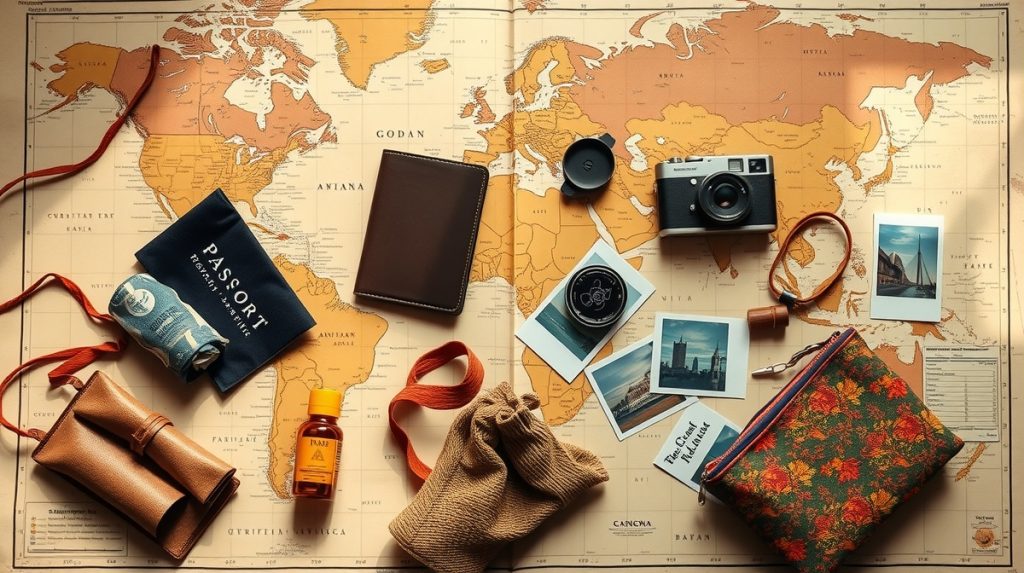

I've visited 34 countries on less money than most people spend on rent in a year. That's not a humblebrag—it's proof that you don't need a trust fund to see the world.
Three years ago, a colleague asked me how much my six-month Southeast Asia trip cost. When I said $3,000, including flights, she stared at me like I'd performed magic. "That's impossible," she said. "I spent more than that on a two-week vacation in Europe."
That conversation changed everything. I realized most people think travel is expensive because they're calculating it wrong, planning it wrong, and frankly, doing it wrong. The truth? With the right strategies, you can explore incredible destinations for less than you'd spend staying home.
Budget travel isn't about sleeping in sketchy hostels or surviving on ramen (though I've done both). It's about being intentional with your money so you can travel longer, see more, and have better experiences. Recent surveys show that 73% of millennials are prioritizing travel over other major purchases, and gap year programs are booming precisely because young travelers have figured out what the tourism industry doesn't want you to know: amazing travel doesn't require amazing wealth.
This guide will show you exactly how to make it happen, with real numbers, tested strategies, and honest advice about what works (and what doesn't).
The Mindset Shift That Makes Budget Travel Possible
Why "Budget Travel" Isn't About Suffering
Let's kill this myth right now: budget travel doesn't mean you'll be miserable. I've had some of my best travel experiences on a shoestring budget, and some of my worst while spending freely.
The $2 pad thai I ate from a street cart in Bangkok? Life-changing. The $50 tourist trap dinner in Rome? Forgettable. The $8 hostel bed in Prague where I met my now-best friend? Priceless. The $200 hotel room in Paris where I watched Netflix alone? A waste.
Budget travel forces you to engage with destinations differently. Instead of hiding in expensive hotels and tourist restaurants, you're eating where locals eat, staying where locals recommend, and discovering neighborhoods that most visitors never see. You're not missing out—you're getting the real experience.
Here's what I've learned after years of budget travel: being smart with money isn't the same as being cheap. Cheap is buying the absolute worst option. Smart is getting maximum value for minimum spend.
The Real Cost of Travel (And Why You've Been Calculating It Wrong)
Most first-time travelers overestimate travel costs because they compare their travel budget to their home lifestyle. They think they need to maintain the same comfort level they have at home, which is expensive and unnecessary.
Here's the reality check: a coffee in New York costs $4-6. In Hanoi, it's $0.50. A private room in a Manhattan hotel? $200+. In Chiang Mai? $15. Your home rent might be $1,500/month, but accommodation in Southeast Asia can cost less per month than you spend on groceries.
The mistake isn't just about absolute costs—it's about expectations. You don't need a hotel room with a mini-bar when you're spending all day exploring temples. You don't need three restaurant meals when street food is cheaper, safer, and more delicious than most people think.
I track every expense when I travel (yes, I'm that person), and I can tell you that most budget-conscious travelers dramatically overestimate what they'll spend. The first time I went to Vietnam, I budgeted $60/day and consistently spent $35-40.
How to Travel on $50 a Day or Less
Breaking Down the $50/Day Budget
This is the golden question everyone asks, so let me break it down with a real example. Last year in Chiang Mai, Thailand, I spent exactly $47 in one day. Here's how:
- Accommodation: $12 (private room in a guesthouse)
- Food: $18 (street food breakfast $2, lunch $8, dinner $8)
- Activities: $10 (temple entrance fees and motorbike taxi)
- Transportation: $4 (local bus and tuk-tuk)
- Miscellaneous: $3 (water, snacks)
That day included visiting three temples, eating incredible northern Thai food, and getting completely lost in the old city. It was perfect.
This $50/day budget works consistently in Southeast Asia, Central America, and parts of Eastern Europe. In countries like Vietnam, Guatemala, or Albania, you can often do it for less. The key is understanding that these aren't "cheap" experiences—they're different experiences that happen to cost less.
The breakdown typically looks like this: 30-40% accommodation, 30-40% food, 20-30% activities and transport, 10% buffer for unexpected costs. When you see it laid out, $50 suddenly seems reasonable, not restrictive.
The Three Categories That Eat Your Budget (And How to Control Them)
Accommodation: Your Biggest Expense
Accommodation will likely be your largest daily expense, but it's also where you have the most control. I've slept in $6 dorm beds and $40 private rooms, and honestly, location matters more than luxury.
House-sitting is the ultimate budget hack if you can plan ahead. I've stayed in beautiful homes for free in exchange for pet-sitting. Couchsurfing isn't just for college students—I've met incredible hosts in their 40s and 50s who genuinely enjoy showing travelers around their cities.
Hostels aren't what they used to be. Many now offer private rooms that cost less than budget hotels, with the bonus of common areas where you can meet other travelers. Book directly with hostels when possible—they often offer discounts to avoid booking platform fees.
Food: Where Tourists Get Robbed
Eating near hotels, train stations, or major tourist attractions is like putting a "rob me" sign on your forehead. The same meal costs 3-5x more in tourist areas.
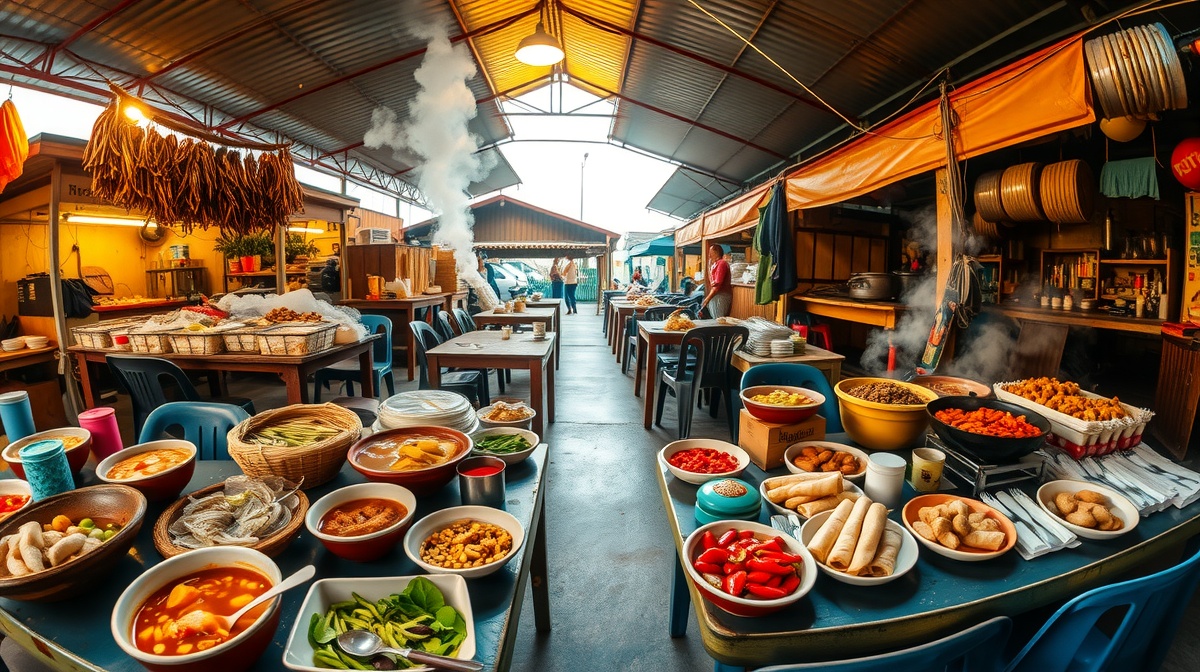
My rule is simple: eat where you see locals eating. If there's a line of local people and no English menu, you've found gold. Street food isn't dangerous if you use common sense—look for high turnover (food isn't sitting around), hot preparation, and busy stalls.
Grocery shopping saves massive amounts of money, especially for breakfast and snacks. I always hit a local market within my first day in any new place. Fruit, bread, and basic staples cost pennies compared to restaurant prices.
Transportation: The Hidden Budget Killer
This is where many budget travelers fail. They'll carefully choose a $10 hostel, then spend $30 on taxis because they didn't research local transport.
Buses are your best friend for long distances. Yes, they take longer than flights, but the savings are enormous. A bus from Bangkok to Chiang Mai costs $15 and takes 12 hours. Flying costs $60 and takes 1.5 hours. That $45 difference pays for two days of food.
Within cities, walk whenever possible. Use public transport. Download apps like Citymapper or simply use Google Maps to figure out bus and metro systems. Most cities have day passes that make public transport even cheaper.
Real Talk: Where Most Budget Travelers Fail
I've made every budget travel mistake in the book, so let me save you some pain.
The biggest mistake? Splurging "just this once" repeatedly. That $30 cocktail bar, the $40 tourist attraction, the $25 taxi because you were tired—these add up faster than daily expenses. I've watched travelers blow their entire weekly budget in two nights because they didn't track small splurges.
Not negotiating in markets is leaving money on the table. In many countries, haggling isn't rude—it's expected. Start at 30-50% of the asking price for souvenirs and work up. For accommodation, asking for a discount on longer stays often works.
Booking everything last-minute costs more, but so does booking too far ahead in some places. I've learned to book the first 2-3 nights of accommodation, then find better deals once I'm in the destination and can see places in person.
What Are the Cheapest Countries to Visit in 2024?
The Budget Travel Hierarchy: Tier 1, 2, and 3 Destinations
I organize destinations into three tiers based on realistic daily costs for budget travelers. This is more useful than random lists because it helps you plan based on your actual budget.
Tier 1 ($20-40/day): The Budget Champions
Southeast Asia remains unbeatable for budget travel. Vietnam, Cambodia, Laos, and Myanmar offer incredible value, with daily costs often closer to $25-30. I spent three weeks in Vietnam and averaged $28/day including accommodation, food, transport, and activities.
Central America is underrated but fantastic. Guatemala, Honduras, and Nicaragua offer amazing experiences at rock-bottom prices. India and Nepal are classics for good reason—your money goes incredibly far, though they require more cultural adjustment.
Tier 2 ($40-70/day): The Sweet Spot
Eastern Europe offers European experiences at Asian prices. Poland, Romania, Albania, and Georgia are gorgeous and affordable. I loved Albania—pristine beaches, incredible mountains, and daily costs around $45.
Mexico and Colombia punch above their weight. You get sophisticated food scenes, rich culture, and reasonable prices. Peru is pricier than its neighbors but worth it for the diversity of experiences.
Tier 3 ($70-100+/day): Splurge Destinations
Bali has gotten expensive due to popularity, but it's still cheaper than Western destinations. Costa Rica and Chile offer first-world infrastructure at developing-world prices (sort of).
Western Europe can fit this budget if you're strategic about timing and locations. Portugal in winter, Eastern Germany, or smaller Italian cities can work.
Remember, these are guidelines. Exchange rates fluctuate, tourism trends change, and your travel style affects costs dramatically.
Why Your Dream Destination Might Be Cheaper Than You Think
Don't write off destinations based on their reputation. I thought Thailand would be expensive because everyone goes there. Then I discovered that northern Thailand costs half of what the southern islands do.
Timing changes everything. Europe in shoulder season (April-May, September-October) costs 40-50% less than peak summer. You get better weather than winter travel and fewer crowds than summer.
Rural areas are always cheaper than capitals. Rural Mexico, countryside Thailand, or smaller European cities offer authentic experiences at fraction of big-city costs. Some of my favorite travel memories are from places I'd never heard of before arriving.
The Hidden Gems: Where Budget Travelers Are Going in 2024
Albania is having a moment, and deservedly so. Stunning coastline, dramatic mountains, friendly people, and daily costs around $40-50. It feels like Croatia did 15 years ago.
Georgia (the country) offers wine culture, incredible food, and mountain landscapes at bargain prices. Tbilisi is one of the coolest capitals I've visited, and you can eat like royalty for $15/day.
Kyrgyzstan and Central Asia are the final frontier for budget travel. Incredibly cheap, stunningly beautiful, and virtually untouristed. Not for beginners, but perfect for adventurous travelers.
How to Find Cheap Flights and Accommodations
The Flight Hacking Strategy That Actually Works
Forget the complicated "hidden city" ticketing and credit card churning guides. Here's what actually works for normal people:
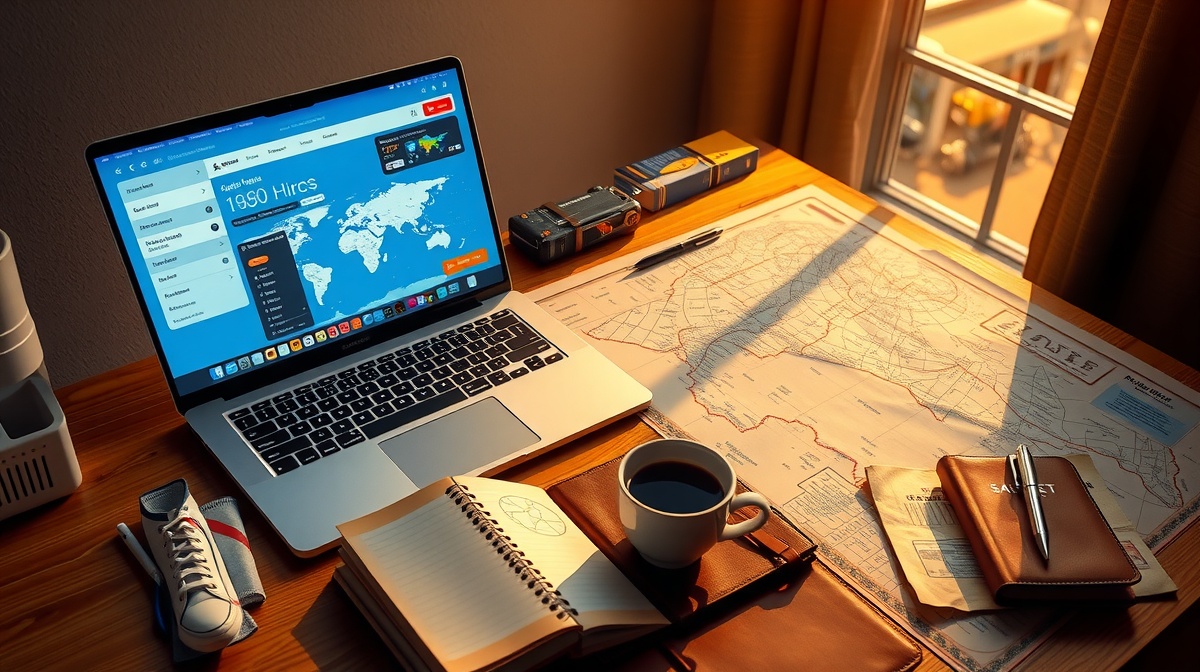
Timing is everything. Book international flights 6-8 weeks out for the best prices. I track this obsessively and the sweet spot is remarkably consistent. Domestic flights are different—3-4 weeks out is optimal.
Be flexible with dates. Flying Tuesday-Thursday costs 20-30% less than weekends. Use Google Flights' calendar view to see price variations across different dates. I once saved $300 by shifting my departure by two days.
Consider nearby airports. Flying into secondary airports can save hundreds. I saved $400 flying into Oakland instead of San Francisco, then took a $12 bus into the city. The extra hour was worth $400.
Set up price alerts early. Use Google Flights, Skyscanner, or Kayak to monitor prices for your desired routes. I set alerts 3-4 months ahead and book when prices drop.
One-way tickets are often cheaper than round-trip for international travel, especially if you're visiting multiple countries. Don't assume round-trip is better.
Accommodation: From Hostels to House-Sitting
The accommodation landscape has changed dramatically. Here's what works in 2024:
Hostels aren't just dorm beds anymore. Many offer private rooms that cost less than hotels. Look for hostels with good common areas—you'll meet fellow travelers and get insider tips about destinations.
Guesthouses offer the best value. Family-run guesthouses, especially in Asia and Central America, provide local insights and personal touches that big hotels can't match. They're often willing to negotiate rates for longer stays.
Airbnb works in some places, not others. In expensive cities like London or New York, Airbnb can save money. In cheap destinations like Southeast Asia, hostels and guesthouses are often better value and more social.
House-sitting is free accommodation. Websites like TrustedHousesitters connect you with homeowners who need pet-sitters or house-watchers. I've stayed in incredible homes for free in exchange for walking dogs or watering plants.
The Booking Hacks That Save Hundreds
Always check if booking directly with accommodation costs less. Many hostels and small hotels offer discounts to avoid paying commissions to booking platforms.
Use incognito mode when searching. Some booking sites track your searches and raise prices on repeat visits. Clear your cookies or use private browsing.
Read reviews strategically. Ignore complaints about WiFi or breakfast unless those matter to you. Focus on cleanliness, safety, and location comments. A few bad reviews among hundreds of good ones aren't concerning.
For longer stays (5+ nights), message properties directly and ask for discounts. Many will offer 10-20% off for extended stays, especially during low season.
Beyond the Big Three—Other Ways to Stretch Your Budget
Activities and Experiences: Free and Cheap
The best travel experiences often cost nothing. Hiking is free everywhere. Exploring neighborhoods on foot costs nothing but time. Most temples, churches, and cultural sites have minimal entrance fees.
Many museums offer free days or reduced evening hours. Cities like London have world-class free museums. Walking tours operate on a tips-only basis in most major cities.
Local markets are entertainment and education rolled into one. I can spend hours wandering through markets, trying cheap snacks and watching daily life unfold.
Beaches, parks, and natural areas rarely charge admission. Some of my favorite travel days involved nothing but hiking trails or lounging on free beaches.
The Transportation Hack: Getting Around Like a Local
Public transportation is always cheaper than taxis or ride-sharing. Always. The money you save on transport can double your activity budget.
Download city-specific transit apps before you arrive. Citymapper works in major cities worldwide. Google Maps shows public transit directions in most places.
Walking is free and often faster in congested cities. I regularly out-walk taxis stuck in traffic. You see more, get exercise, and save money.
For longer distances, buses beat flights on price every time. Yes, buses take longer, but you see countryside and save enough money to extend your trip by days.
Food Strategy: Eating Well for Less
Street food is safe if you use common sense. Look for high turnover, hot preparation, and lots of local customers. I've eaten street food in 30+ countries and rarely gotten sick.
Markets sell the same ingredients restaurants use at fraction of the cost. Buy fruit, bread, and snacks for meals. A day's worth of market food costs less than one restaurant meal.
Eating lunch at dinner places saves money. Many restaurants offer lunch portions or specials that cost 30-50% less than dinner prices for the same food.
Ask locals where they eat. Hotel staff, hostel workers, and random people you meet will point you toward authentic, cheap food that tourists never find.
The Tools and Apps That Make Budget Travel Easier
The Essential Budget Travel Toolkit
For Flights: Google Flights for flexible date searching, Skyscanner for overall cheapest options, Kayak for price predictions. I use all three because they sometimes show different results.
For Accommodation: Hostelworld for hostels, Booking.com for everything else, Airbnb for longer stays in expensive cities. Always cross-reference prices and read recent reviews.
For Money: Wise (formerly TransferWise) for currency exchange, XE for current rates, your bank's international partner ATMs to avoid fees. Notify your bank before traveling to avoid card blocks.
For Navigation: Google Maps works offline if you download areas ahead of time. Citymapper for public transit in major cities. Grab or local ride-sharing apps in Southeast Asia.
For Translation: Google Translate's camera feature translates signs and menus instantly. Essential for countries with different alphabets.
Budget Tracking That Actually Works
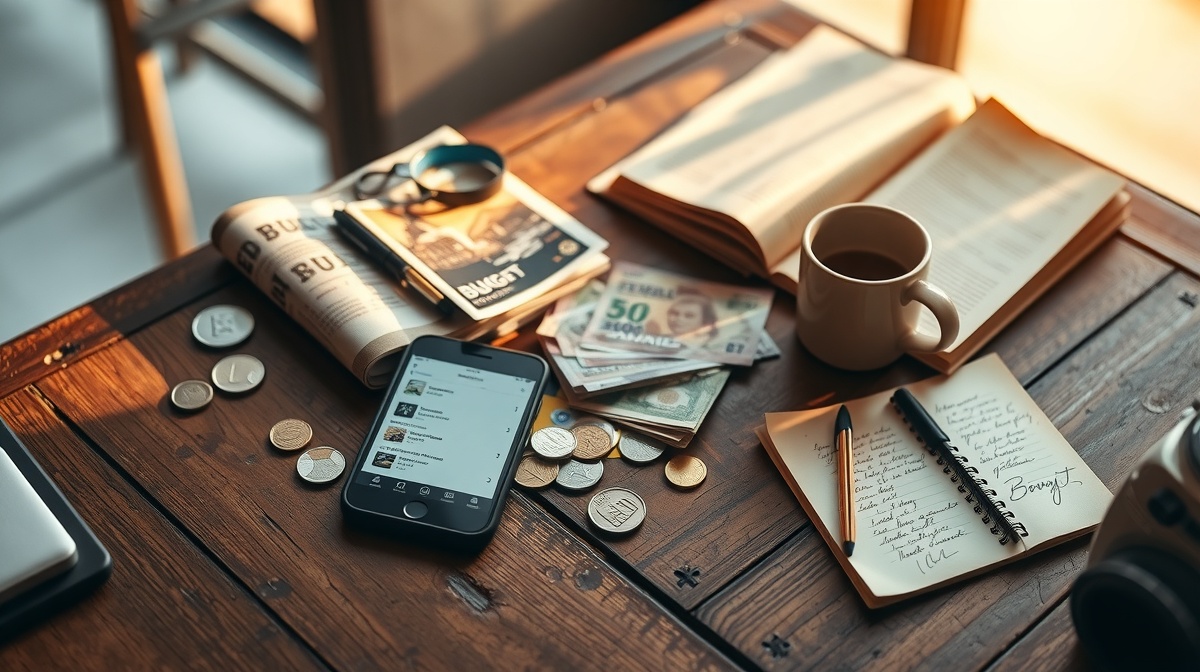
I use a simple spreadsheet to track daily expenses by category. Nothing fancy—just accommodation, food, transport, activities, and miscellaneous. It takes two minutes per day and prevents budget blow-outs.
Trail Wallet is a good app for expense tracking if you prefer digital. Set daily budgets and it'll tell you if you're over or under.
The key isn't perfect tracking—it's awareness. Knowing roughly what you're spending helps you make better decisions throughout the day.
Your Next Steps: From Planning to Packing
Budget travel isn't about deprivation—it's about intention. Every dollar you don't waste on overpriced airport food or tourist trap restaurants is a dollar you can spend on experiences that matter.
Start with one budget-friendly destination that excites you. Don't try to optimize everything on your first trip. Pick Southeast Asia, Central America, or Eastern Europe, book your first few nights of accommodation, and figure out the rest as you go.
The hardest part isn't finding cheap flights or hostels—it's believing that incredible travel is possible on a budget. I promise you it is. Some of my most transformative travel experiences happened when I had almost no money and had to be creative about everything.
Three years after that conversation with my colleague, she took her own budget trip to Vietnam. She spent three weeks there for less than her usual European weekend getaway cost. More importantly, she came back with stories that still make her eyes light up.
That's what budget travel really gives you: more time, more experiences, and more stories. The money you save isn't the point—it's what that money makes possible that changes everything.