

Here's the thing about luxury travel — we've been sold a lie. The hospitality industry wants you to believe that marble lobbies, thread counts over 400, and names like Ritz-Carlton are the only path to a premium experience. But I've stayed in $600-a-night hotels that felt sterile and soulless, then discovered $80 boutique gems that left me planning my return visit before checkout.
The truth is, savvy travelers have cracked the code on accessing luxury experiences without the luxury price tag. This isn't about settling for less — it's about getting more for your money by understanding what actually creates that "bougie" feeling we're all chasing. Whether it's the personalized service, unique design, prime location, or those Instagram-worthy moments, a budget traveler's guide to luxury on a dime reveals how strategic choices consistently beat big spending.
I'm about to share nine alternatives that'll have you questioning why anyone pays resort prices for corporate hospitality. These aren't compromises — they're upgrades disguised as savings.

Boutique Hotels in Emerging Neighborhoods
Skip the tourist epicenter and you'll discover some of the best-kept secrets in hospitality. Boutique properties in up-and-coming neighborhoods often deliver designer aesthetics at a fraction of what you'd pay in prime zones — we're talking 40-60% savings while gaining authentic local flavor.
Take Brooklyn's Red Hook or Lisbon's Marvila district. These areas house converted warehouses and historic buildings turned into stunning boutique hotels, complete with exposed brick, curated art collections, and rooftop bars with skyline views. The owners are usually locals who genuinely care about your experience rather than corporate managers hitting occupancy targets.
What surprised me most about these hidden gems is the service quality. With smaller guest counts, staff actually remember your name and preferences. I've had front desk managers personally walk me to neighborhood restaurants and bartenders craft off-menu cocktails based on my taste preferences. Try getting that level of attention at a 400-room chain property.
What Are the Benefits of a Budget Traveler's Guide to Luxury on a Dime
The advantages go way beyond just saving money. You're getting authentic cultural immersion that tourist districts can't provide — real neighborhood cafes, local markets, and residential streets where actual city life happens. The customer service ratio is dramatically better since boutique properties typically run 20-30 guests per staff member compared to major hotels' 60+ guests per employee.
Plus, these properties often occupy architecturally significant buildings with character that new construction simply can't replicate. You might sleep in a former textile factory with 14-foot ceilings or a converted monastery with original stone walls.
Historic Properties with Character Over Chain Glamour
Speaking of character, historic properties offer something no modern luxury chain can manufacture: genuine stories embedded in the walls. Former government buildings, converted mansions, and heritage hotels provide architectural grandeur without the modern luxury markups that come with brand recognition.
I've stayed in a former embassy in Prague where diplomats once negotiated treaties, complete with original chandeliers and hand-painted ceilings, for less than what a standard Marriott room costs in the same city. These properties often include unique amenities like private libraries, formal gardens, or historical significance that adds layers to your travel experience.
The catch? You might encounter quirky room layouts or vintage plumbing, but honestly, that's part of the charm. Would you rather have a perfectly standardized experience or sleep in a room where Oscar Wilde once stayed?
Luxury Hostels and Designer Budget Accommodations
Let's address the elephant in the room — yes, hostels have evolved far beyond backpacker crash pads. The new generation of design-forward hostels offers private rooms with hotel-quality amenities, stylish common areas, and prime locations at budget prices.
Generator Hostels, for example, occupies premium real estate in cities like London and Barcelona, featuring industrial-chic design, craft cocktail bars, and rooms that rival boutique hotels. You're getting the social atmosphere and local insider knowledge from fellow travelers, plus amenities like co-working spaces and organized events.
Private rooms in these upscale hostels typically run 50-70% less than comparable hotel rooms while offering extras like communal kitchens, laundry facilities, and 24-hour reception. Fair warning — book early since design-conscious travelers have caught on to this trend.

Apartment Hotels and Extended Stay Properties
Here's where the math gets really interesting. Apartment-style accommodations provide luxury amenities like full kitchens, separate living areas, and significantly more space than traditional hotel rooms — often at lower nightly rates than standard hotels.
Extended Stay America properties in business districts offer full kitchens, work spaces, and weekly housekeeping for around $70-90 per night. Compare that to a $200 hotel room where you're paying $15 for room service orange juice and working from your bed.
The real luxury here isn't thread count — it's space and functionality. Having a living room to spread out, a kitchen to prepare your morning coffee exactly how you like it, and the ability to do laundry without hunting for expensive hotel services. After three days, you'll wonder why anyone chooses cramped hotel rooms over actual living space.
How Does a Budget Traveler's Guide to Luxury on a Dime Work
The mechanics are simpler than you'd think, but they require shifting your research approach. Start with neighborhood exploration rather than hotel brand searches. Use tools like Google Maps to identify emerging areas with good transit connections, then search accommodation options within those zones.
Timing becomes crucial — book shoulder seasons for maximum savings, and consider Sunday-Thursday stays when business hotels offer weekend discounts. Loyalty programs can be leveraged across budget properties too; many boutique hotels partner with programs offering points and upgrades.
Most importantly, manage expectations correctly. You're optimizing for experience value, not amenity checklists. A rooftop terrace with city views beats a business center you'll never use.
Off-Season Luxury: High-End Hotels at Low-Season Prices
Now here's where you can actually access those big-name luxury properties without the big-name prices. Five-star hotels in seasonal destinations offer 60-80% discounts during off-peak periods, and often the weather is still perfectly enjoyable.
Miami Beach luxury resorts drop their rates dramatically from May through October. Sure, it's humid, but you're getting ocean views, world-class spas, and gourmet restaurants for less than what budget hotels charge during peak season. Greek island luxury properties offer similar deals from November through March — perfect weather for exploring without the summer crowds.
The trick is researching what "off-season" actually means for your destination. Sometimes it's just avoiding school holidays or major events, not necessarily dealing with terrible weather.
Business Hotels on Weekends
Corporate-focused hotels in business districts become ghost towns on weekends, which means significant discounts for leisure travelers who don't mind staying in financial districts. These properties maintain upscale amenities — executive lounges, fitness centers, and prime urban locations — without the business traveler premiums.
Downtown hotels in cities like Chicago or Frankfurt often drop weekend rates by 50-70% while throwing in perks like free breakfast, late checkout, and lounge access. You'll have the business center and conference facilities practically to yourself, plus easy access to museums and attractions that business travelers never have time to visit.
The only downside? Weekend dining options in business districts can be limited, but that's easily solved with a short transit ride to livelier neighborhoods.
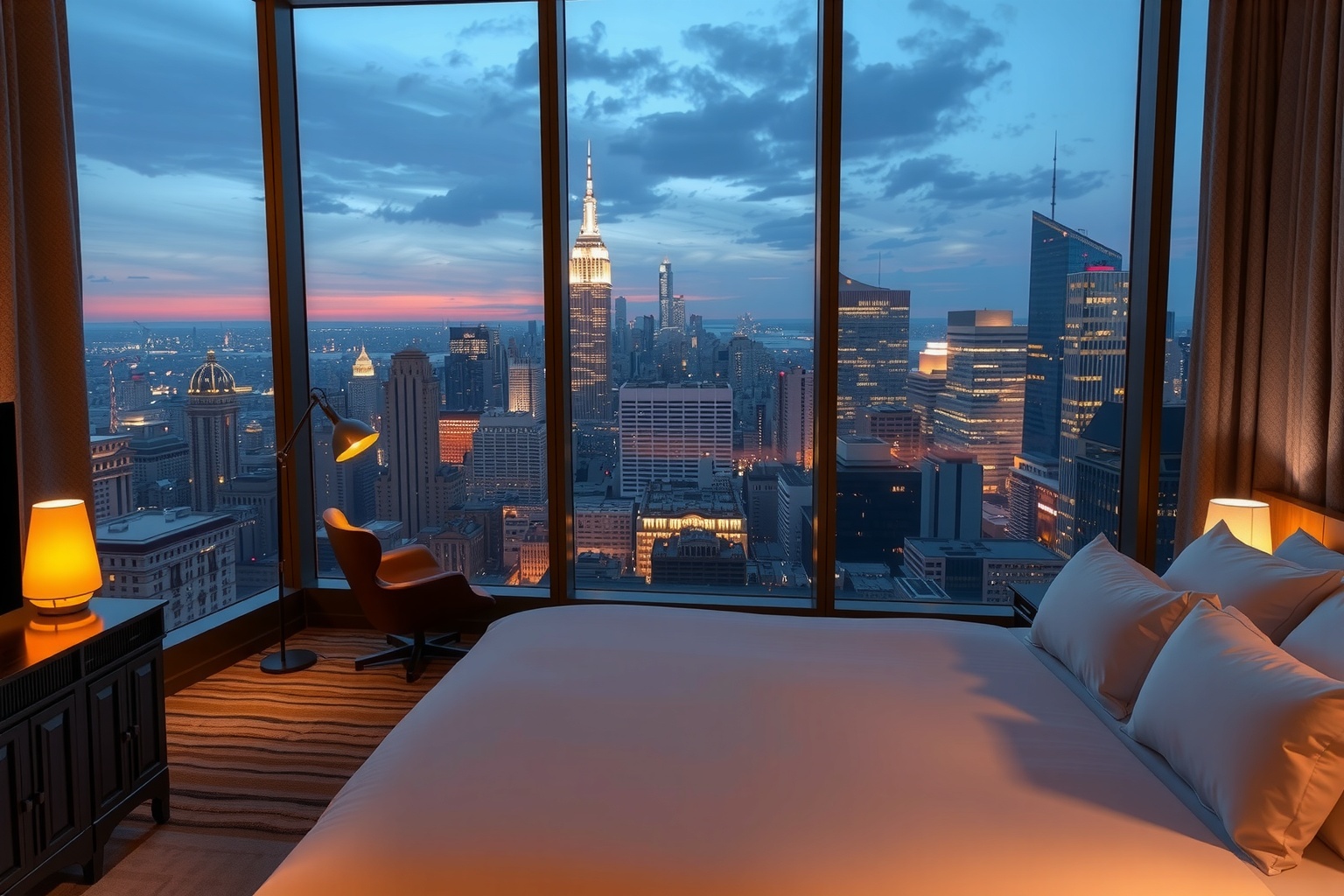
Vacation Rental Luxury: Entire Homes for Less Than Hotel Rooms
Let's talk cost-per-square-foot value. Renting entire luxury homes or high-end apartments often costs less than single hotel rooms while providing exponentially more space and amenities. A three-bedroom penthouse in Barcelona might run $150 per night split among friends — that's $50 each for luxury living space that no hotel can match.
Vacation rentals in upscale neighborhoods give you access to amenities that hotels charge premium rates for: private pools, full kitchens, multiple bathrooms, and often unique features like wine cellars or rooftop terraces. You're living like a local in residential areas where celebrities and wealthy locals actually stay.
Platforms like Airbnb Plus and Vrbo's premium listings curate properties that meet luxury standards while offering the space and privacy that hotel rooms simply can't provide. Plus, you're saving hundreds on dining out when you have a full kitchen at your disposal.
How to Use a Budget Traveler's Guide to Luxury on a Dime
Start with flexible dates and location research. Use comparison tools like Kayak's "Explore" feature or Google Flights' map view to identify affordable destinations during your travel window. Then dive deep into neighborhood research using local blogs and Instagram location tags rather than tourist guides.
Book accommodations using incognito browsing to avoid price tracking, and consider booking directly with properties after finding them on booking platforms — many offer price matching plus additional perks. Don't forget to negotiate, especially for longer stays or last-minute bookings.
Set up price alerts for your target properties and be ready to book when rates drop. Many luxury hotels offer flash sales or mistake rates that can save 70% or more for quick decision-makers.
Loyalty Program Mastery and Strategic Upgrades
Here's where the real insiders play the game. Strategic loyalty program enrollment across hotel chains, credit cards, and booking platforms can unlock luxury experiences through points, elite status benefits, and complimentary upgrades that cost nothing but planning.
Hotel loyalty programs often provide more value at mid-tier properties than luxury ones. A Gold status at Hilton might get you a standard room upgrade at a luxury property, but could secure a suite upgrade at a Garden Inn. Meanwhile, credit card programs like Chase Ultimate Rewards or American Express Membership Rewards transfer to hotel partners at rates that can make luxury stays incredibly affordable.
The key is concentrating your stays and spending to achieve elite status levels that unlock real benefits: free breakfast, lounge access, room upgrades, and late checkout. These perks often add $100+ in daily value to mid-tier stays.
Alternative Luxury: Unique Stays That Exceed Traditional Hotels
Sometimes the most luxurious experience isn't about amenities — it's about uniqueness and memories. Converted train cars, architectural marvels, treehouses, and houseboats offer Instagram-worthy experiences that standard luxury hotels can't replicate.
I've stayed in a converted grain silo in South Africa with panoramic mountain views, a glass cube suspended in German forests, and a luxury houseboat in Amsterdam's historic canals. These properties cost 30-50% less than five-star hotels while providing experiences that friends still ask about years later.
The luxury here is exclusivity and story value. Anyone can book a Four Seasons room, but how many people have slept in a renovated lighthouse or a designer cave dwelling? These unique properties often include personal touches from owner-operators who've invested their creativity, not just their capital.
What Is a Budget Traveler's Guide to Luxury on a Dime Used For
This approach works for any type of travel — vacation planning, business travel optimization, romantic getaways, or long-term travel sustainability. The strategies scale whether you're planning a weekend city break or a month-long international adventure.
Business travelers can leverage these techniques for longer stays or when extending business trips into leisure time. Couples can access romantic experiences and unique accommodations for special occasions without blowing their budget. Long-term travelers can maintain comfort and quality while stretching their funds across extended journeys.

Final Thoughts
The biggest revelation in all this? Luxury isn't about brand names or price tags — it's about experiences, memories, and that feeling of being somewhere special. Some of my most "luxurious" travel memories happened in $60-a-night boutique hotels with character, not $400-a-night corporate properties with marble lobbies.
A budget traveler's guide to luxury on a dime isn't about cutting corners — it's about cutting through marketing to find what actually creates premium experiences. Personal service, unique environments, authentic local connections, and memorable moments cost far less than hotel marketing departments want you to believe.
Start with one of these strategies on your next trip. Pick the approach that excites you most, whether it's exploring an emerging neighborhood, hunting for historic properties, or timing an off-season luxury escape. I guarantee you'll discover that the best travel experiences have been hiding in plain sight, waiting for travelers smart enough to look beyond the obvious choices.