
The Moment Everything Changed
I was standing in Barcelona's Gothic Quarter at 10 PM, completely lost, with my phone dead and my Spanish consisting of "hola" and "gracias." I'd missed my planned dinner, couldn't find my hostel, and everyone back home's warnings about solo travel were echoing in my head.
I was terrified. I'd never traveled alone before, and everyone had opinions about why I shouldn't.
But here's what happened next: A local shopkeeper saw me looking confused, offered to charge my phone, and gave me directions with the kind of patience that restores your faith in humanity. I found my way back, had the best tapas of my life at a tiny bar I never would've discovered with a group, and realized something profound.
Solo travel isn't just about seeing the world—it's about discovering who you are when nobody's watching.
Three years and fifteen countries later, I've learned that solo travel is having a massive moment. It's grown by over 50% in the last decade, with women and introverts leading the charge. But despite all the Instagram posts and "eat, pray, love" narratives, most people still think solo travel is either dangerous, lonely, or only for extroverted risk-takers.
They're wrong on all counts.
In this solo travel guide, I'll share everything I wish I'd known before that first terrifying (and transformative) trip: safety strategies that actually work, planning hacks that save time and money, destination picks for every comfort level, and confidence-building tactics that turn travel anxiety into excitement.
Why Solo Travel Is Worth Your Fear (And Why More People Are Doing It)
Let's address the elephant in the room: solo travel can feel intimidating. But here's what I've discovered after talking to hundreds of solo travelers—the fear is usually worse than the reality.
Solo travel has exploded because it offers something group travel simply can't: complete autonomy. You eat when you're hungry, explore what interests you, and change plans without negotiating with anyone. For introverts especially, this is liberating. No forced social interactions, no group dynamics to navigate, no pressure to be "on" all the time.
I used to think solo travel was harder for introverts. I was completely wrong. Group travel is exhausting when you're introverted—constantly managing other people's energy, preferences, and schedules. Solo travel? It's like a perfectly tailored experience designed by and for you.
For women, solo travel represents something deeper: proof of independence and capability. Yes, there are additional safety considerations (which we'll cover thoroughly), but the empowerment that comes from navigating a foreign country entirely on your own is profound. You realize you're far more resourceful than you thought.
Here's the real talk nobody mentions: solo travel isn't always romantic or Instagram-worthy. You'll have moments of loneliness, frustration, and doubt. You'll eat awkward solo dinners and wish you had someone to share amazing sunsets with. And that's okay. These moments teach you to be comfortable with yourself in a way that's impossible to learn any other way.
The "finding yourself" narrative around solo travel is both true and overblown. You're not going to become a completely different person because you backpacked through Southeast Asia. But you will discover capabilities you didn't know you had and preferences you never had space to explore.

How Do I Plan a Solo Trip for the First Time?
Planning your first solo trip feels overwhelming because you're essentially becoming a travel agent for one very demanding client: yourself. Here's the step-by-step breakdown that actually works.
Step 1: Start with Self-Assessment, Not a Map
Most people start planning by picking a destination. This is backwards. Start with yourself.
Budget first—this determines everything else. Are we talking about a $1,000 two-week adventure or a $5,000 month-long journey? Your budget dictates whether you're staying in hostels or boutique hotels, eating street food or restaurant meals, taking buses or flights.
Time frame matters more than destination. A week in Japan will feel rushed; a week in Portugal feels perfect. Three days in New York is a great intro to solo city travel; three days trying to see multiple European countries is a recipe for exhaustion.
Solo doesn't equal lonely—decide your social comfort level upfront. Are you looking for solitude and reflection? Book private accommodations and plan independent activities. Want to meet people? Hostels, group tours, and social apps are your friends. There's no right answer, just your answer.
Step 2: Choose Your Destination Strategically
Consider infrastructure before Instagram-worthiness. How easy is it to get around? Can you navigate the public transportation? Are ride-sharing apps available? Your first solo trip shouldn't require advanced logistics skills.
Language barriers: real talk about communication. You don't need to speak the local language, but you should know how communication works. In Scandinavia, almost everyone speaks English. In rural Vietnam, translation apps and gestures become essential. Neither is wrong, but know what you're signing up for.
Safety research beyond the headlines. Skip the State Department warnings (they're overly cautious) and focus on practical intel: How do locals get around at night? Are there areas to avoid? What's the solo female traveler experience like? Reddit, travel blogs, and Facebook groups give you real insights.
First-time solo travelers often underestimate logistics. It's not just about booking flights and hotels—it's about understanding how daily life works in your destination.
Step 3: The Planning Timeline
6 months out: Research, bookmark, daydream. This is the fun phase. Create Pinterest boards, read travel blogs, join Facebook groups for your destination.
2-3 months out: Book accommodations and flights. Prices are usually optimal, and you'll have good availability without the stress of last-minute planning.
1 month before: Handle logistics—visas (if needed), travel insurance, notify your bank and credit card companies, check passport expiration dates.
2 weeks before: Packing, downloading offline maps, installing essential apps, creating digital copies of important documents.
Step 4: Create Your Safety Net
Emergency contacts and itinerary sharing—without being paranoid. Share your general plans with someone at home, but you don't need to check in every day. A simple "I'm in Prague now, heading to Vienna on Thursday" text every few days is plenty.
Travel insurance is non-negotiable. Not because solo travel is dangerous, but because you're your own backup plan. Medical emergencies, trip interruptions, and lost luggage are easier to handle when you're not paying out of pocket.
Digital backups of documents. Email yourself photos of your passport, driver's license, insurance cards, and itinerary. Store copies in cloud storage. When your bag gets delayed (not if, when), you'll thank yourself.
Is Solo Travel Safe for Women Traveling Alone?
Let me start with the statistics everyone wants to know: the vast majority of solo female travelers never experience serious safety incidents. According to solo travel surveys, over 84% of women report feeling safe during their solo trips.
But statistics don't address the real concern, which is: how do you maximize your safety and minimize unnecessary risks?
Before Departure
Research goes beyond reading travel advisories. I look for recent blog posts from solo female travelers, check Facebook groups like "Girls Love Travel," and read recent reviews on accommodation sites specifically from women traveling alone.
Cultural awareness matters more than paranoia. In some countries, solo women dining alone is completely normal. In others, it draws attention. Neither is inherently dangerous, but knowing what to expect helps you navigate confidently.
During Travel
Trust your gut, but don't let anxiety make decisions. That uncomfortable feeling when someone's standing too close on public transport? Listen to it. That worry about exploring a perfectly safe neighborhood because it "feels" different from home? That's often just unfamiliarity, not danger.
Situational awareness beats gadgets. Stay alert to your surroundings, especially when using your phone or wearing headphones. Keep copies of important documents separate from originals. Let someone know your general whereabouts. These basics work better than any safety app.
Technology as a tool, not a crutch. Share your location with someone at home using your phone's built-in features. Use ride-sharing apps instead of flagging random taxis. But don't rely entirely on technology—know how to navigate without GPS and carry backup payment methods.
The Confidence Factor
Here's what I've learned: feeling safe is as important as being safe. Confidence affects how you carry yourself, and body language communicates more than you realize. Preparation builds confidence. The more you know about your destination, the more you'll feel like you belong there.
Solo female travelers consistently report that their biggest safety asset was trusting their instincts. If a situation feels off, leave. If someone makes you uncomfortable, you don't owe them politeness. If a neighborhood doesn't feel right at night, take a taxi instead of walking.
Red flags to trust: Someone insisting you go somewhere you don't want to go. Anyone who won't respect your "no." Situations where you feel pressured to drink more than you want. Your intuition saying something's wrong, even if you can't pinpoint what.
The narrative that women are "brave" for solo traveling is both empowering and patronizing. We shouldn't need extra courage to explore the world independently. But until that changes, we can be smart, prepared, and confident—which is often more valuable than being fearless.
What's the Best Destination for Solo Travelers?
There's no single "best" destination because solo travelers have different priorities. But I can give you a framework that actually works.
Tier 1: Best for First-Timers
Portugal checks every box for beginner solo travelers. It's affordable, walkable, safe, and welcoming to tourists. The food is incredible, English is widely spoken in tourist areas, and the country is small enough to see multiple regions without exhausting logistics. Plus, Portuguese people are genuinely friendly to solo travelers.
Costa Rica offers adventure with infrastructure. You get zip-lining, wildlife, and beaches, but also reliable transportation, established tourist routes, and a well-developed hostel network. It's perfect for introverts who want adventure without constant social navigation.
Japan surprises people as a solo travel destination, but it's phenomenally well-organized. Transportation runs on time, people are helpful, crime rates are low, and the culture respects individual space—perfect for introverts. The language barrier exists but doesn't create practical problems in tourist areas.
Tier 2: For the Confident Explorer
Mexico offers incredible cultural depth, affordability, and variety, but requires more street smarts and Spanish basics. The solo travel community is strong, especially in places like Mexico City and Oaxaca.
Southeast Asia (Thailand, Vietnam, Cambodia) is budget-friendly with a well-established backpacker trail. You'll meet tons of other solo travelers, but you'll also navigate more complex logistics and cultural differences.
Iceland is perfect for solo travelers who crave solitude and natural beauty. It's safe, English-friendly, but requires self-reliance and higher budgets. Ideal for introverts who want dramatic landscapes over social scenes.
Tier 3: For the Experienced Adventurer
Central America (Guatemala, Nicaragua, Honduras) offers authentic experiences and low costs but requires solid Spanish skills and higher comfort with uncertainty.
Eastern Europe provides incredible culture and affordability but with more language challenges and less tourist infrastructure in some areas.
South America offers unmatched diversity and adventure but demands serious planning skills and cultural adaptability.
The "Best" Destination Is Personal
Stop chasing the objectively "best" destination and start chasing what excites you. Ask yourself: Do you want culture or nature? Social opportunities or solitude? Comfort or challenge?
I've seen confident travelers struggle in "easy" destinations because they were bored, and nervous travelers thrive in "challenging" places because they were passionate about being there. Your enthusiasm matters more than the destination's difficulty level.
5 Non-Negotiable Habits of Successful Solo Travelers
After years of solo travel and countless conversations with other independent travelers, these five habits separate the people who love solo travel from those who tolerate it.
Habit 1: Plan Loosely, Stay Flexible
Rigid itineraries kill solo travel magic. You can't predict which city you'll want to explore for an extra day or which recommendation from a local will completely change your plans.
I follow the 70/30 rule: 70% planned, 30% spontaneous. Book your first few nights of accommodation and major transportation, but leave room for serendipity. The best solo travel experiences happen in the unplanned moments.
Tools that help: booking sites with free cancellation, flexible train passes instead of fixed flights between cities, and accommodation in central areas so you can explore on foot.
Habit 2: Embrace the Solo Meal
Eating alone isn't awkward—it's a superpower. You can eat where you want, when you want, without compromise. You notice flavors more, observe your surroundings better, and often end up in conversations with locals or other travelers.
Strategies that work: Street food removes the "dining alone" pressure. Cooking classes turn meals into activities. Communal tables at hostels or food halls create natural social opportunities. Food tours combine sightseeing with eating.
Reframe this: dining solo isn't loneliness, it's meditation. Some of my most memorable travel moments happened during solo meals.
Habit 3: Talk to Strangers (Strategically)
Solo travel creates natural opportunities for connection that group travel doesn't. People are more likely to approach a solo traveler, and you're more open to chance encounters.
Where connections happen: Hostel common areas, walking tours, cooking classes, local events found on apps like Meetup. Even museums and coffee shops lead to conversations when you're traveling alone.
Introvert hack: Quality over quantity. You don't need to be social all the time. A few meaningful conversations often beat constant surface-level interactions.
Habit 4: Keep a Travel Journal
Reflection deepens solo travel experiences. Whether it's a written journal, voice memos, detailed photo captions, or a travel blog, documenting your experiences helps you process them.
This matters especially for introverts, who often need quiet time to make sense of new experiences. Writing about your day helps you notice patterns, remember details, and work through challenges.
Methods that work: Traditional notebook, notes app on your phone, audio recordings, or even detailed Instagram captions. Find what feels natural to you.
Habit 5: Build in Rest Days
Solo travel burnout is real because you're making every decision yourself. Your brain gets tired from constant navigation, translation, and problem-solving.
Permission to do nothing: Schedule rest days. Sleep in. Read a book in a park. Do laundry. Wander aimlessly without an agenda. These aren't wasted days—they're necessary recharge time.
This applies especially to introverts, who need alone time to process stimulation. Don't feel guilty about spending a morning in a café instead of sightseeing. Solo travel should energize you, not exhaust you.
The Solo Travel Packing Philosophy (Not a Checklist)
Most packing lists fail because they're generic. Solo travel packing is about creating a portable support system that works specifically for independent travel.
The "one-bag" mentality doesn't mean you literally need one bag—it means everything you bring should serve multiple purposes or be absolutely essential. When you're navigating airports, train stations, and cobblestone streets alone, every item needs to justify its space.
Categories that matter: Comfort (items that help you feel at home anywhere), Safety (backup plans for common problems), Adventure (gear for the activities you're actually planning), and Flexibility (clothes that work in multiple situations).
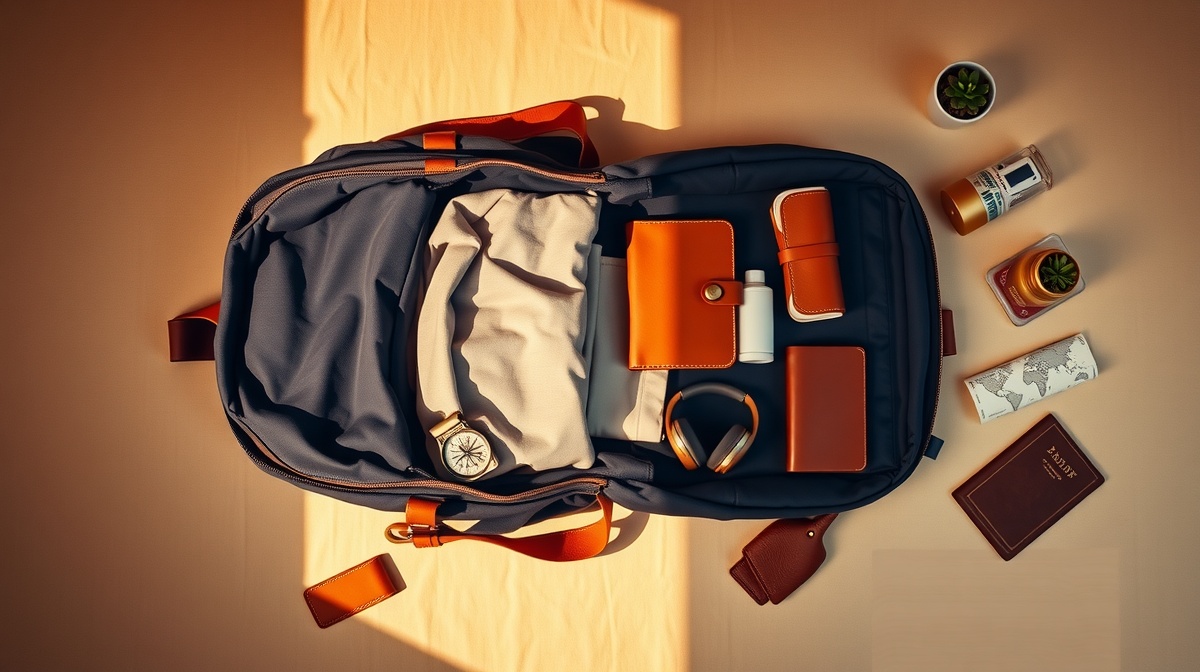
Here's what I actually packed for a three-week Europe trip: one backpack, one small daypack, seven days' worth of clothes, one pair of comfortable walking shoes, flip-flops, basic toiletries, travel-sized first aid kit, portable charger, universal adapter, and rain jacket.
What I regretted bringing: Three books (I only read one), extra shoes (never wore them), and too many "just in case" items that stayed in my bag the entire trip.
Millennial perspective: We're used to having everything available instantly. Solo travel teaches you that you actually need very little to be comfortable and happy. That's liberating.
Technology Hacks That Actually Save You (And Your Money)
Technology can make solo travel smoother, but the key is choosing tools that work offline and in multiple countries.
Apps That Matter
Navigation: Google Maps offline feature is essential—download maps for your destination before you arrive. Maps.me works well for hiking and areas with poor cell service.
Communication: WhatsApp works internationally and uses Wi-Fi. When you buy local SIM cards, WhatsApp keeps your conversations accessible across different phone numbers.
Safety: Google Timeline automatically tracks your location (if you enable it), which is useful for remembering where you went and sharing your general location with someone at home. Life360 or similar apps let you share real-time location with family without constant check-ins.
Budgeting: Trail Wallet is designed for travelers and handles multiple currencies. YNAB helps you stick to overall travel budgets.
Experiences: Meetup finds local events, Couchsurfing connects you with locals (even if you don't stay with them), Airbnb Experiences offer unique activities led by locals.
The Offline-First Mindset
Connectivity isn't guaranteed, especially in remote areas or when crossing borders. Download maps, translation apps, and important documents before you need them. Know how to navigate key routes without GPS.
Backup Systems
Multiple payment methods: Credit card, debit card, and some cash. Store them in different locations. Digital copies of documents stored in cloud storage and emailed to yourself. Backup phone charger and portable battery.
Real talk: Technology is a tool, not a crutch. Know how to ask for directions in person, carry physical copies of important addresses, and have backup plans when apps don't work.
The most successful solo travelers use technology to enhance their experience, not replace basic travel skills. Your phone might die, but your ability to navigate, communicate, and problem-solve will get you through any situation.
Your Solo Adventure Starts Now
Solo travel isn't about proving you're brave or finding yourself in some dramatic transformation. It's about discovering that you're more capable, adaptable, and interesting than you realized. It's about making decisions based entirely on your preferences and learning to enjoy your own company.
The fear before your first solo trip is normal. I still get nervous before every solo adventure, and I've been doing this for years. But nervous energy often transforms into excitement once you're actually traveling.
Here's my final advice: Start smaller than you think you need to, but start. A weekend in a neighboring city counts as solo travel. A week-long trip to a safe, English-speaking destination builds confidence for future adventures. You don't need to backpack across continents to be a "real" solo traveler.
The world is full of solo travelers who started exactly where you are now—curious but uncertain, excited but nervous. The difference between dreamers and travelers isn't courage; it's the decision to book that first trip.
Your solo adventure is waiting. All you have to do is take the first step.